Hat hair announces itself in a specific way: a flat top, a visible band line, sides stuck to the head, and volume that will not come back no matter how much you run your hands through it. For men in Mint Hill who wear work hats, hard hats, or motorcycle helmets daily, that flat reveal in the parking lot is a daily frustration. At Wilgrove Barber Shop, hat problems are treated as troubleshooting cases, not styling failures, because each symptom points to a different cause and a different fix.
Work through the symptoms in order. Some fix themselves in sixty seconds at the truck. Some fix at your next haircut with a different shape. A few point to the hat or helmet itself, and no haircut will solve those until the gear changes.
Symptom one: the permanent band crease
A deep crease exactly where the band sits, still visible hours later, usually means the hair at that line is long enough to bend and set under pressure, and dry enough to hold the bend. Heat and sweat act like a setting lotion you never asked for. The self-fix is moisture plus disruption: wet your hands, work against the crease to lift it, and let the hair dry in its normal direction instead of combing the crease smoother. If the crease returns daily at maximum depth, the chair fix is length. Hair just above or below the band line, rather than exactly at it, creases far less. Bring your hat to the appointment and show the barber the line. Guessing its height from a description wastes the most useful information you own.
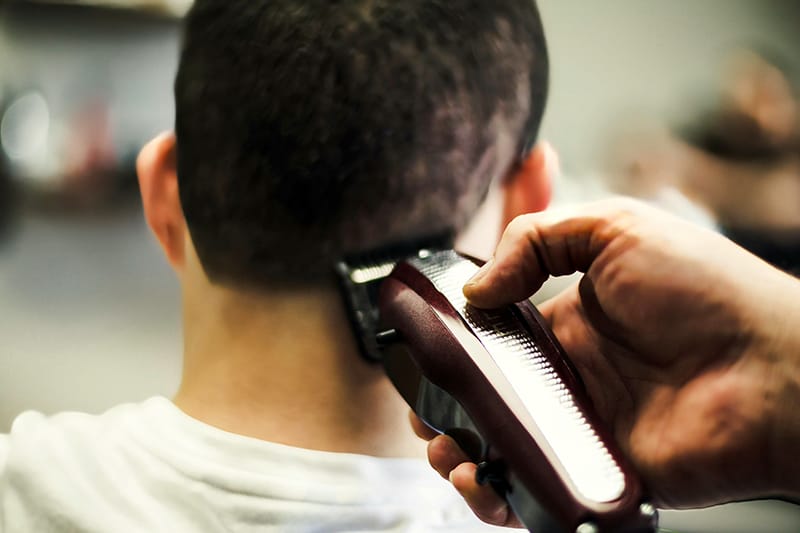
Symptom by symptom, with the fix for each
- Flat top that will not lift. Likely cause: a volume-dependent style under hours of compression. Self-fix: damp hands, lift against the flat pattern, settle with fingers. Chair fix: move to a textured crop or shorter top that needs no volume.
- Greasy band-line ring. Likely cause: morning product cooked under the hat all day. Self-fix: stop applying product before the hat, and style only after it comes off. Gear fix: wash or replace the hat band or liner carrying the residue.
- Itchy, flaky scalp by mid-shift. Likely cause: sweat and heat trapped under an unwashed liner, plus overwashing at home to compensate. Self-fix: rinse with water on the worst days, shampoo normally, and clean the liner on schedule. See a clinician if redness or scaling persists.
- Broken hairs and soreness at the friction points. Likely cause: a too-tight hat or helmet, or a hard-hat suspension pressing one spot for entire shifts. Gear fix first: adjust or refit the gear. No cut compensates for daily mechanical damage.
- Tangled, creased long hair after a helmet. Likely cause: hair worn loose inside the helmet, whipping and matting at the nape. Self-fix: wear it low, loose, and contained. Chair fix: keep the nape length deliberate instead of leftover.
- Style fine at work, ruined for the evening. Likely cause: no recovery step between the two. Self-fix: the sixty-second damp-hand reset plus a pea-sized amount of matte product, carried in the truck or desk, not applied at dawn.
When the answer is a different cut
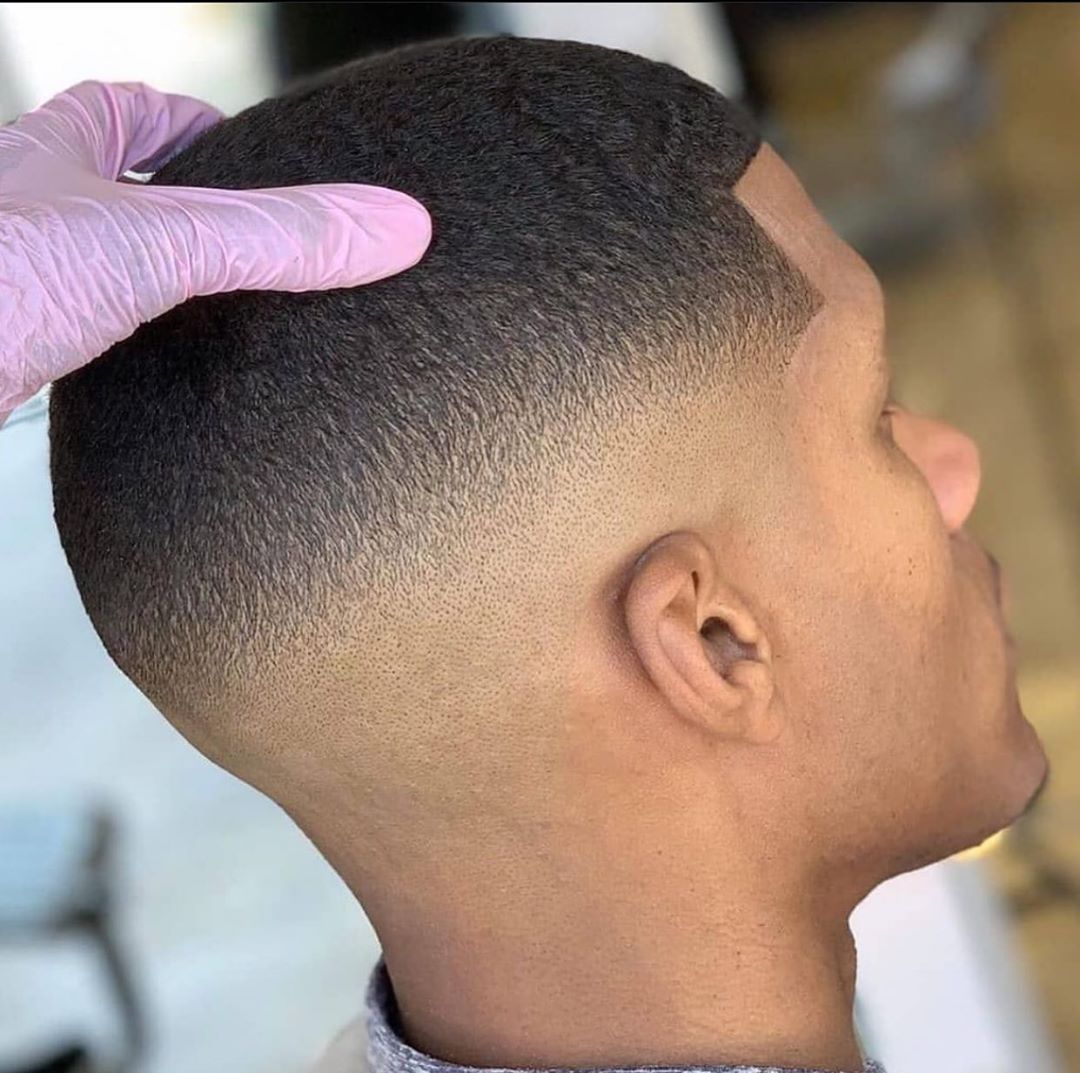
If two or more symptoms survive honest attempts at the self-fixes, the cut itself is mismatched to your day. The reliable daily-wear shapes in Mint Hill are unglamorous and effective: short textured crops, buzz-leaning cuts, and modest tapers that look intentional at low volume. What they share is a lack of dependence on lift, precise parting, or product architecture, all of which a helmet dismantles by ten in the morning. Tell the barber your hat hours honestly. A man in a hard hat ten hours a day and a man who wears a cap for a Saturday errand need different cuts even if they walked in asking for the same photo. The photo shows the first five minutes. Your barber is cutting for the other ten hours.
The gear check nobody does
Once a season, inspect the inside of the hat or helmet itself. Sweat salts stiffen bands, liners compress and stop cushioning evenly, and a hard hat suspension past its service life presses harder than it should. Clean what the maker allows to be cleaned, replace what is worn, and check the fit with your current haircut, because a change in length changes how gear sits. Riders in particular should refit after a major cut change. A helmet fitted over long hair sits differently over a crop, and a loose helmet is a safety problem before it is a hair problem. Fix the gear, fix the routine, then fix the cut, in that order, and most hat hair cases in Mint Hill close for good.
Common questions
Why does my hair stay flat even after I wash it?
Washing resets the hair, but the next day under the hat resets it back. If flatness is daily, the lasting fix is a cut that looks right at low volume, not a stronger product.
Should I wear my hair wet under a hat to reduce creasing?
No. Wet hair under pressure sets even harder and stays damp against the scalp for hours. Dry hair, or nearly dry, creases less and is kinder to the scalp.
Can a barber really cut around my hat line?
Yes, if you bring the hat. Knowing the exact band height lets the barber place transitions and length deliberately so the line works with the cut instead of across it.
Photos in this guide are representative stock images.
← All guides from Wilgrove Barber Shop← Back to Wilgrove Barber Shop