A straight line in a barbershop looks simple until you watch it being made. The edge-up along a hairline, the clean border of a beard, the crisp finish at the neck: each one is the visible end of habits most clients never see, from how the tools are maintained to how they are disinfected between every single client. At Wilgrove Barber Shop in Mint Hill, that backstage work runs on a calendar as regular as the cutting itself, and it is a fair part of why the lines come out straight.
This piece lays out that calendar and the technique behind it, so you know what clean, well-kept tools look like and what to notice in any shop you sit down in. A straight line is skill, yes, but it is also sharp steel, honest guides, and sanitation discipline repeated hundreds of times a month.
How a straight line actually gets made
The barber starts by reading the natural line rather than imposing one. Hairlines are rarely symmetrical, foreheads have dips and points, and a line that ignores the natural edge looks drawn-on within a day. The tool work follows: skin held lightly taut with the free hand, the trimmer or razor moving in short, controlled strokes, with the barber checking the line from the front, the side, and the mirror at arm's length rather than from six inches away. Corner work comes last, because corners define how the whole line reads. Between strokes, loose hair is brushed away constantly. You cannot judge a line you cannot see, and most crooked edges are really just lines judged through a screen of clippings and haste.
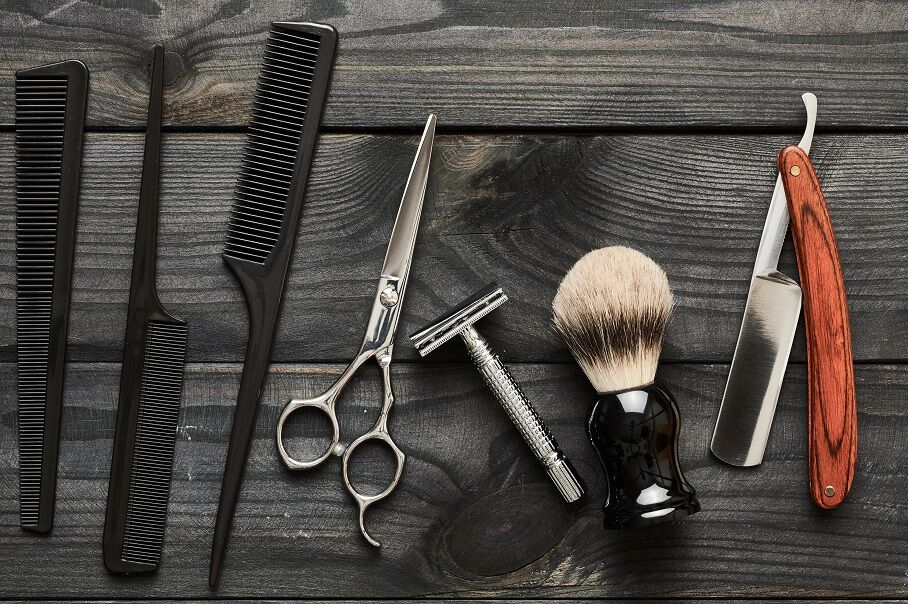
The tool and sanitation calendar
| When | Tool task | Why it matters for your cut |
|---|---|---|
| Between every client | Clipper and trimmer blades brushed clean and disinfected with an approved spray or solution. Combs and brushes cleaned and disinfected. Fresh blade or disinfected razor setup for shaves per shop and state practice. | Prevents carrying the previous client's hair, skin, and bacteria into your service. This is the non-negotiable row in the table. |
| Daily | Blades oiled lightly, cords and charging checked, disinfectant solution replaced or verified, towels laundered hot, station surfaces wiped down. | Oiled blades cut without pulling. Fresh solution actually disinfects. Yesterday's solution may only look the part. |
| Weekly | Deep clean of clippers, clipper guards sorted and inspected for cracks, razor handles and holders detailed, chair hydraulics and headrests cleaned. | Cracked guards change lengths silently. Buildup in moving parts shows up as drag and uneven cutting. |
| Monthly | Blade alignment checked and zero-gapping verified carefully, worn blades retired, shears inspected for edge and tension, backup tools tested. | Misaligned blades nick and miss. A dull edge tears hair instead of cutting it, which clients feel as tugging. |
| Seasonally | Shears professionally sharpened as needed, full kit audit, disinfectant and supplies restocked ahead of rush periods like back-to-school and the holidays. | Rush weeks punish worn kits first. Preparation is why a busy December chair still produces clean work. |
What clean tools look like from the chair
You can read a station in ten seconds. Look for blades being brushed and sprayed as the previous client leaves, not as you sit down to save time. Look for combs coming out of a disinfectant jar or a clean case rather than a drawer of loose tools, and for the blue disinfectant solution in the jar to look fresh rather than cloudy and full of hair. Single-use items should look single-use: a fresh neck strip, a new blade presentation for razor work where the shop uses disposables, and towels that smell like laundry and nothing else. None of this requires you to interrogate anyone. Good shops in Mint Hill perform these steps in plain view, in the open rhythm of the work, because the routine protects the barber's own tools and reputation as much as it protects your skin.
Sharpness, alignment, and honest limits
Even perfect sanitation cannot rescue a dull or misaligned blade. Dull edges fold hair before cutting it, leaving a line that looks grey and fuzzy instead of dark and crisp, and they tempt the barber to press harder, which is how nicks happen. Alignment matters just as much on trimmers used for line work, because a blade set unevenly cuts deeper on one corner. Professional barbers test alignment on paper or a forearm, retire blades on schedule rather than on failure, and keep shears adjusted so they cut along the whole edge. If a line ever feels like scraping rather than cutting, say so in the chair. That feedback tells the barber to stop and change the tool, and any professional would rather hear it mid-service than read it in a review. Straight lines are a system: maintained steel, disinfected on a calendar, guided by a practiced eye. When all three hold, the line holds too.
Common questions
How can I tell if tools were disinfected before my cut?
Watch the changeover. Blades brushed and sprayed, combs from solution or a clean case, and a fresh neck strip are the visible signs. In a well-run shop you will see them without looking hard.
Why does my edge-up sometimes look fuzzy a day later?
Usually it is very short stubble showing through as it grows, not a badly cut line. A truly dull-blade line looks uneven immediately, which is a tool problem worth mentioning at your next visit.
Are straight razors reused between clients?
Shops use either fresh disposable blades or disinfected setups following state rules and shop practice. If you are ever unsure, ask before the shave starts. A professional will answer plainly.
Photos in this guide are representative stock images.
← All guides from Wilgrove Barber Shop← Back to Wilgrove Barber Shop