Barbering advice is full of confident claims about classic cuts, and men in Mint Hill hear the same ones in every shop: a crop makes thick hair thin, a side part only works on straight hair, short cuts always grow out better. Some are true. Some are false. Most depend on the head of hair in front of the mirror. At Wilgrove Barber Shop, the side part, the crop, and the classic contour have outlasted every trend cycle because they adapt, but the myths around them cause real mismatches between the cut a man asks for and the cut his hair wants.
This myth-versus-fact sorting takes the three enduring styles claim by claim. Bring it to your next appointment as a conversation starter. A barber would rather correct a myth in two minutes of talk than correct a miscut over six weeks of grow-out.
The three cuts in one paragraph each
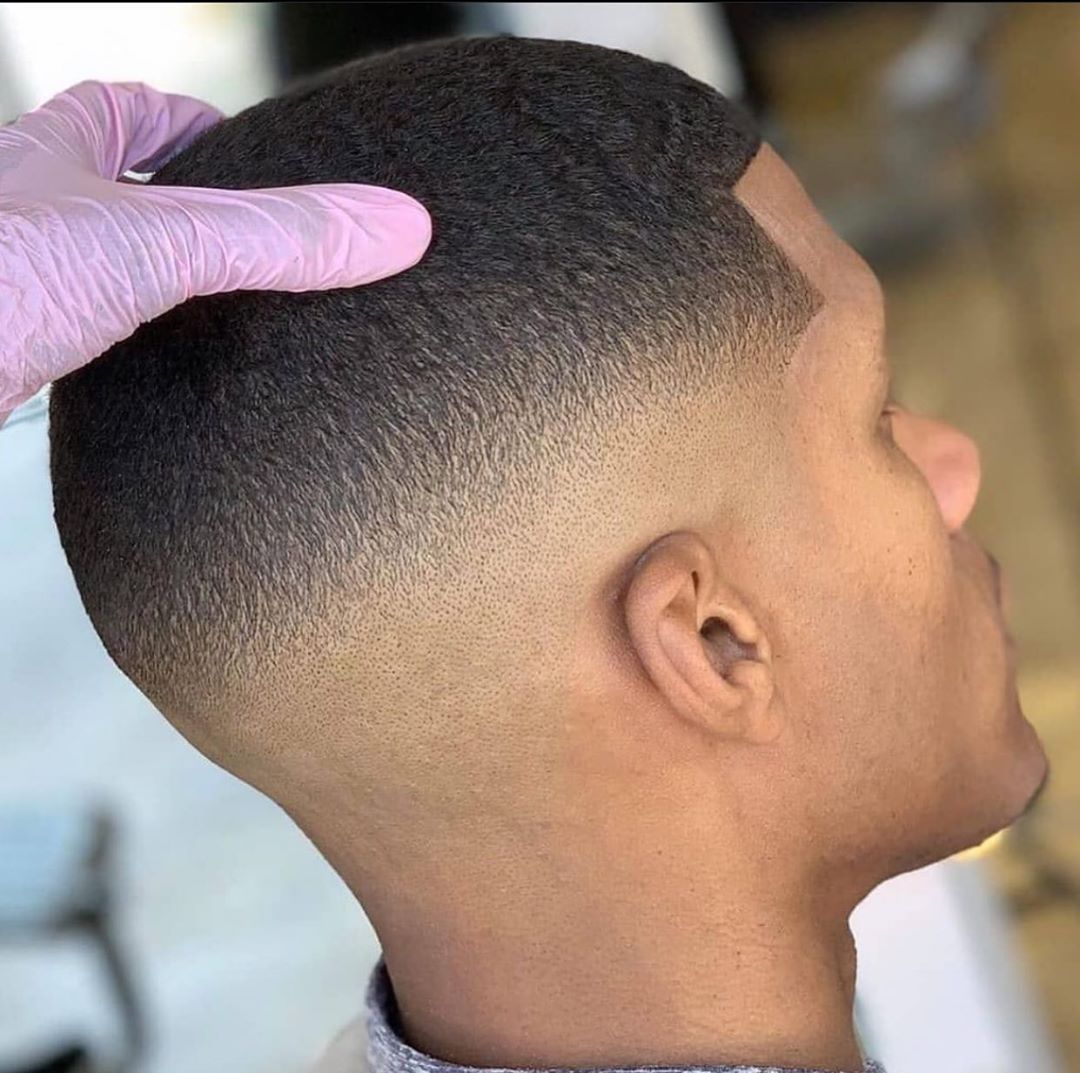
The side part keeps workable length on top, directed from a defined part, with tapered or faded sides. It is the organized cut, best where hair needs a clear direction. The crop is short and textured, worn forward with a brief fringe, built to control bulk and minimize morning effort. The classic contour follows the shape of the head with blended sides and a soft, natural outline, the traditional barber silhouette that grows out the most gracefully of the three. Every claim below refers to these real shapes, not to the exaggerated versions in advertisements.
| Claim | Verdict | The fuller truth |
|---|---|---|
| A crop makes thick hair look thinner | It depends | Texture removes bulk and weight, so thick hair behaves finer. The density is unchanged, and on already fine hair a heavy crop can show scalp. |
| A side part only works on straight hair | False | Wavy hair parts well with enough length. Even curly hair can hold a part when cut for shrinkage. Tight curls simply need a softer, less exact part. |
| Classic contours are only for older men | False | The contour is a head-shape cut, not an age. Young clients wear it constantly, usually with a slightly tighter taper than their fathers chose. |
| Short cuts always grow out better than longer ones | False | Short fades show growth fastest at the edges. A contour's soft blend often looks good longer than a sharper, shorter cut does. |
| A crop needs no product, ever | It depends | Many crops need none. Coarse or wiry crops often sit better with a trace of matte product. Needing none is common, not guaranteed. |
| You must train your hair to hold a new part | Fact, partly | Hair does not learn, but consistent combing while damp plus a cut that respects the natural growth direction makes a part settle within about two weeks. |
Why these myths survive
Most barber myths are a true experience stretched into a universal rule. One man's crop did show scalp, because his hair was fine and the texture was cut too aggressively, so the rule became crops expose scalp. One man's part refused to hold, because the cut fought a strong cowlick at the front, so the rule became his hair cannot part. The honest version of almost every claim includes the words for this hair type, at this length, with this growth pattern. That is why a good consultation in Mint Hill sounds less like a verdict and more like a fitting. Your barber is matching three variables, the style, your hair, and your routine, and any claim that ignores two of the three will mislead you half the time.
Choosing with the myths cleared away
Start from your mornings. Under a minute of styling points to the crop. A few minutes with a comb points to the part or the contour. Then check your growth pattern. A strong natural part is an asset the side part spends well. A swirling crown is calmer under a crop worn forward or a contour that follows it. Finally, think about grow-out. If your schedule regularly stretches to five or six weeks between visits, the contour's soft edges forgive the stretch best, the part forgives it moderately, and a tight crop asks the most punctual upkeep. None of these is the correct cut in general. Each is the correct cut for a specific combination, and now you have the language to find yours without the folklore getting in the way.
Common questions
Can I switch from a contour to a crop in one visit?
Yes. Going shorter is always a one-visit move. The reverse takes a grow-out period, so if you are torn between two, start with the longer option and step down.
Does a side part require a shaved-in line?
No. A natural part cut and combed into place is the classic version. A shaved line is a sharper, higher-upkeep variation that grows in visibly within about two weeks.
Which classic cut hides a cowlick best?
Usually the crop, worn forward, because short texture removes the length a cowlick needs to lift and split. A contour that follows the swirl is the second-best answer.
Photos in this guide are representative stock images.
← All guides from Wilgrove Barber Shop← Back to Wilgrove Barber Shop